
Following free OnlyFans pages looks like a zero-cost hobby until the first pay-per-view unlock appears in your bank statement. The subscription price may be $0, but the account still earns through tips and paid messages, and those charges add up. A budget turns an open-ended habit into a predictable monthly number you control.

The platform itself keeps 20% of everything: subscriptions, tips and pay-per-view unlocks. The creator receives the remaining 80%. That split does not change whether a page is free or paid, which means every dollar you send through a tip or an unlock is real money leaving your account.
OnlyFans has no built-in discovery feed or directory. Subscribers find pages through outside links, social posts and ranking sites. That missing search layer is exactly why ranking sites exist, and it also means you rarely see a page’s full cost before you follow. Budgeting replaces that missing information with a plan you write yourself.
Paid pages on the platform run from $4.99 at the minimum to $49.99 at the maximum, with most charging $4.99 to $15 and an average around $5 to $10. Free pages sit at $0. No page has a base price below $4.99; only promotional first months can dip under that floor. A free follow is therefore a pricing choice, not a discount.
Why free pages still cost
A free page earns when you choose to spend after following. Pay-per-view messages arrive in your inbox with a locked price, and tips can be sent at any time. Both are optional, but both are designed to feel small at the moment of purchase.
The practical sequence below keeps those small decisions visible instead of automatic.
- Follow the free page and read its bio and pinned post.
- Note the typical pay-per-view price range in the messages you receive.
- Decide a weekly unlock limit before you open the first locked message.
- Log every unlock and tip the same day it happens.
- Review the log at the end of the week against your cap.
Most people skip step three, and that is where budgets break. A limit set in advance is easier to keep than a limit invented while a locked message is open on screen.
Practical tip: write your weekly unlock limit somewhere outside the app, such as a notes file or a spreadsheet. A number you can only see inside the platform is easy to renegotiate in the moment.
Account security belongs in the same conversation as budgeting. Two-step authentication protects the payment method attached to your account. A compromised login can produce charges that never appear in your own spending log, which makes the monthly total impossible to trust.

Setting a monthly number
Pick a cap you could lose without changing any other part of your month. That figure is your ceiling, not a target. If you cannot name the number out loud, it is too vague to enforce.
Then list the costs that can appear in a single month so the cap covers reality rather than hope.
- Pay-per-view unlocks from inbox messages.
- Tips sent during or after a conversation.
- Custom requests or paid replies.
- Renewals on any paid page you also follow.
- Promotional first-month offers that later convert to full price.
A creator who raises a subscription price stops auto-renew at that moment. Existing access continues until the current paid period ends, so a price change never charges you mid-cycle. Free pages are unaffected by that rule because there is no renewal to stop.
If a paid page is part of your mix, remember the range: $4.99 minimum, $49.99 maximum, and a typical band of $4.99 to $15. A $5 to $10 average means two or three paid follows can cost more than every free-page unlock you make in the same month.

Splitting across pages
One cap across many free pages needs a division rule, or the loudest inbox wins. Divide the monthly number by the pages you actually open, not the pages you follow. A follow you never visit should not hold budget space.
- Equal split: same amount per active page, easiest to track.
- Weighted split: more to pages you open daily, less to occasional ones.
- Rotating split: full budget to one page per week, others paused.
- Single-page split: all spending directed to one page for the month.
A rotating split works well for people who follow many free pages and want variety without a rising total. The budget stays fixed while attention moves.
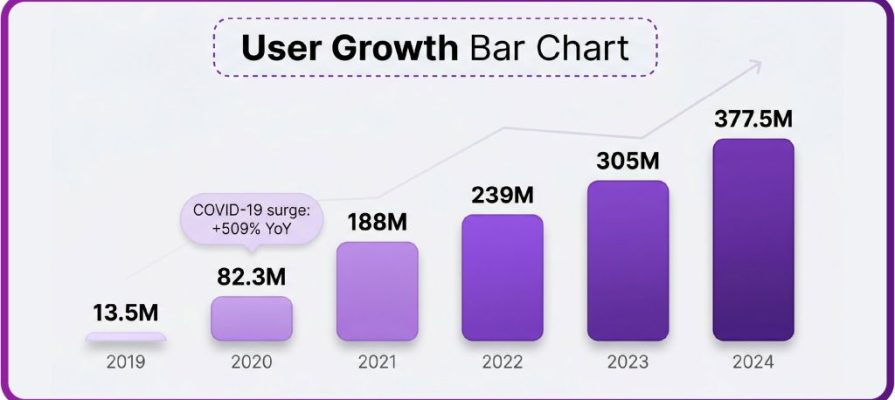
Platform growth explains why inboxes fill quickly. More creators means more free pages competing for the same attention, and more messages asking for a small unlock. A fixed split protects you from that volume.

Tracking unlocks
A log only works if it takes seconds to update. Record the date, the page, the type of charge and the amount. Do it the same day, because memory reconstructs spending poorly after a week.
| Date | Page | Type | Amount |
|---|---|---|---|
| Week 1 | Free page A | Pay-per-view | $5 |
| Week 1 | Free page B | Tip | $3 |
| Week 2 | Free page A | Pay-per-view | $8 |
| Week 3 | Free page C | Tip | $4 |
| Week 4 | Paid page D | Subscription | $9.99 |
At the end of the month the log shows which page produced the largest total, not which page felt cheapest. Those two answers often differ. A page with a $0 subscription can outrank a paid page once unlocks are counted.
Growth charts are a useful reminder that the subscriber base expanded fast. A larger audience means more inbox traffic per creator and more chances to spend on impulse. Logging is the counterweight.

Warning signs of creep
Spending creep rarely arrives as one large charge. It arrives as several small ones that each seemed reasonable alone. The habits below are the usual drivers.
- Opening locked messages before checking the price.
- Tipping during a chat without counting the total for that day.
- Following new free pages mid-month without adjusting the split.
- Treating a promotional first month as a permanent price.
- Skipping the weekly review because the week felt cheap.
If two or more of these apply in the same week, reduce the cap for the following week rather than waiting for the month to end. Small corrections are easier than a full reset.
The free pages that cost the most are usually the ones you open most often, and that is a behavioural fact rather than a pricing one. If you want a wider view of which pages people actually keep up with, this list of best only fans to follow is worth reading alongside your own log.
BestOnlyFans style directories exist because the platform offers no directory of its own. They are discovery tools, not budget tools, so treat any recommendation as a candidate rather than a commitment.

Weekly check-ins
A weekly check-in takes a few minutes and prevents a surprise at the end of the month. Compare your logged total against one quarter of the monthly cap. If you are ahead, slow down for the remaining days of that week.
Keep the routine short so you actually repeat it. The mistakes below are the ones that quietly cancel the benefit of checking in at all.
- Checking the bank app instead of your own log.
- Rounding amounts down when you record them.
- Ignoring tips because they feel separate from unlocks.
- Moving money between weeks without noting the change.
- Reviewing monthly instead of weekly.
Warning: tips and pay-per-view unlocks carry the same 20% platform fee as subscriptions, so a tip is never a free gesture for your budget. It is a charge, and it belongs in the log.
Cancellation screens are also budget tools. Reviewing which paid pages you still renew, and why, keeps the paid part of your mix honest.
When to pause a page
Pause the page that produces the highest cost with the lowest attention. Attention is measured by how often you open it, not by how long you have followed it. Loyalty to a follow is not a financial argument.
Pausing is easier on free pages because nothing renews automatically. On a paid page, cancelling stops the next renewal while access continues until the current period ends. You do not lose the remainder you already paid for.
If the budget is tight for one month, pause rather than cancel everything. A single pause is reversible, and it keeps the rest of your routine intact. BestOnlyFans recommends a short break over an all-or-nothing decision.
End-of-month review
The review compares spend by page against the split you set at the start. It answers one question: did the plan match the behaviour? Adjust the split for next month based on the answer, not on how you feel about each page.
| Page | Planned | Actual | Next month |
|---|---|---|---|
| Free page A | $10 | $13 | Reduce to $8 |
| Free page B | $10 | $3 | Hold at $10 |
| Free page C | $5 | $4 | Hold at $5 |
| Paid page D | $9.99 | $9.99 | Keep or cancel |
Write the next month’s numbers before the new month starts. A plan made in advance is harder to expand mid-cycle, which is the whole point of the exercise.
Free pages remain the cheapest entry point on the platform, but free refers to the subscription and nothing else. Unlocks, tips and paid replies are the real cost, and they respond well to a written cap. BestOnlyFans ranking pages help you find accounts; your own log decides what they cost.
Earnings distribution is uneven across the platform, which means most creators rely on steady small payments rather than a few large ones. For a subscriber, that translates into frequent low-value charges. Budgeting for volume matters more than budgeting for any single purchase.
FAQ
Is a free page really free?
The subscription is $0, but tips and pay-per-view messages still cost money and the platform takes 20% of each charge.
What is the cheapest paid subscription?
$4.99 is the minimum base price, and only promotional first months can go below that figure.
Does a price rise charge me twice?
No. Auto-renew stops when the price goes up, and access lasts until the paid period you already bought ends.
Why do I need a log if I only follow free pages?
Tips and unlocks do not renew automatically, so a log is the only record of what a free follow actually cost you.